Disabled people fear losing benefits over engaging in sports and regular physical activity

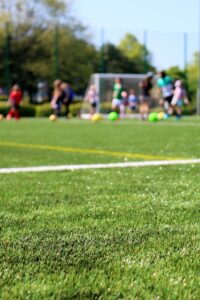
Concerns over losing benefits are among a range of physical, psychological and logistical barriers faced by disabled people wanting to engage in sports (Image: Sport England)
There is widespread fear among the UK’s disabled people that increasing physical activity – such as taking part in sport – could impact vital social security payments, such as the Personal Independence Payment (PIP).
Insight from disability sport charity, Activity Alliance, shows that concerns over losing benefits are among a range of physical, psychological and logistical barriers faced by disabled people wanting to engage in sports and regular physical activities.
Activity Alliance has previously called on the government to provide clearer understanding and wider safeguarding to reassure that disabled people who are physically active will not lose their social security and other forms of government financial assistance.
“Our social security system for disabled people is designed to provide financial support for people who face barriers to work or daily living,” Activity Alliance said.
“Yet, eligibility criteria is often based on assessments of capability. This is how much someone can work, move, or carry out everyday tasks. We are concerned that claimants worry that any improvement in their physical activity levels could be interpreted by assessors as reduced need, leading to reassessments or payment cuts.
“That fear alone can keep people from trying activities that might benefit their health, what we called ‘The Activity Trap’.”
The charity also points out how disabled people already face significantly higher extra costs for daily living. Research from another disability charity, Scope, estimates that disabled households need an extra £1,095 each month to have the same standard of living as non-disabled households.
According to Sarah Brown-Fraser, Activity Alliance’s Head of Policy, the fear of losing income can increase stress, anxiety and social isolation.
“For someone already facing health challenges, the fear of financial instability is enough to prevent them being active or putting it lower on the list of priorities,” she added.
“Lack of accessible transport, equipment costs, or specialist coaching add to the fear.
“The government can send a powerful message to society that disabled people deserve the same opportunities for sports and activities as everyone else, without fear of financial penalty. Encouraging regular activity not only boosts our wellbeing but also reduces long-term public spending, including on health and social care.
“When there is reassurance around social security, disabled people are much more likely to pursue sports and activities with confidence. We all want a society where participation is driven by motivation and potential, not by fear of losing the very support designed to protect us.
“Clear policies, accessible information, staff training, and partnerships with disability organisations can help to reduce the barriers to participation. This not only supports disabled people’s greater dignity and rights to be active, but also builds a more active, inclusive society for everyone.”