Sport England reveals 53 places to benefit from new space-based funding
- Posted on

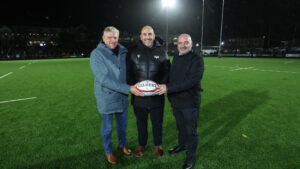
The 53 areas will be the first to benefit from the new Place Partnerships programme (Image: Sport England)
Sport England has revealed 53 areas in which it will look to tackle regional inequalities in activity levels.
Each place is in the top 10% of the country for inactivity, social need, deprivation and health inequality at a national level.
The 53 areas will be the first to benefit from the new Place Partnerships programme, joining 12 areas that were included in local delivery pilots to test the new programme.
In total, the programme will distribute around £250m towards battling physical inactivity in areas deemed to be in the greatest need.
Sport England will announce an additional 27 Place Partnerships later in 2025. The programme’s coverage across England will grow further as Sport England phases in its Place Universal Offer, working with all 43 Active Partnerships.
Sport England chair, Chris Boardman, said: “Health inequalities have become embedded in our communities, with rising inactivity amongst children a particular worry.
“Inactive kids are more likely to be inactive adults and more at risk of develop chronic illness that costs the NHS and our economy; it’s a ticking timebomb for the long-term health and wealth of the country. We must address it urgently.
“Physical activity is rightly described by health experts as the ‘miracle cure’. It’s not only part of the solution for the physical, mental and social health problems facing our communities; it’s also pivotal to getting the economy moving.”
To tackle inactivity in the 53 new places, Sport England is adopting a place-based approach – partnering with local organisations and leaders who understand both the specific needs of their communities and the local assets that are available to support people to play sport and get active.
Lisa Dodd-Mayne, Sport England’s executive director of place, said there were clear advantages of place-based working and why the new approach was needed.
“Where you live has a direct impact on how active you can be, which is why a ‘whole-system’ approach to a place is the most comprehensive way to tackle inactivity.
“Each place is its own ecosystem, and we look at the local spaces (like parks, woodland, leisure centres and community halls) that are available in that ecosystem.
“We then partner with local organisations (such as NHS trusts, councils, faith groups and grassroots sports clubs) to create opportunities for the community to get active.
“From embedding Active Design into housing plans in Exeter, to gentle dance classes for older people in Doncaster to help them rehabilitate after a fall, to football clubs for isolated men in Blackburn – our Place work is as varied as the communities that we’re working for.
“And every active adult and child represents money saved for our health and care system, reduced pressure on the NHS and a healthier workforce – delivering growth through health.
“We have learned that we cannot solve the problem with the same mindset that created it. We have to do things differently, recognising that progress moves at the speed of trust.
“That means being stubborn on the vision for the place, but flexible on how they get there, and finding the organisations that have the right reach. They are there, but you need to look for them.”